

Comprehensive List of Types of Tents Installed by Bentech Solutions
Bentech Solutions provides tent installation solutions for events, businesses, institutions, outdoor activities, exhibitions, hospitality facilities, construction projects and other applications requiring reliable temporary or semi-permanent covered spaces. Different projects require different tent designs, sizes, fabrics, structural systems and installation methods.
This comprehensive guide explains the main types of tents installed by Bentech Solutions, their features, applications and factors to consider when selecting a suitable tent.
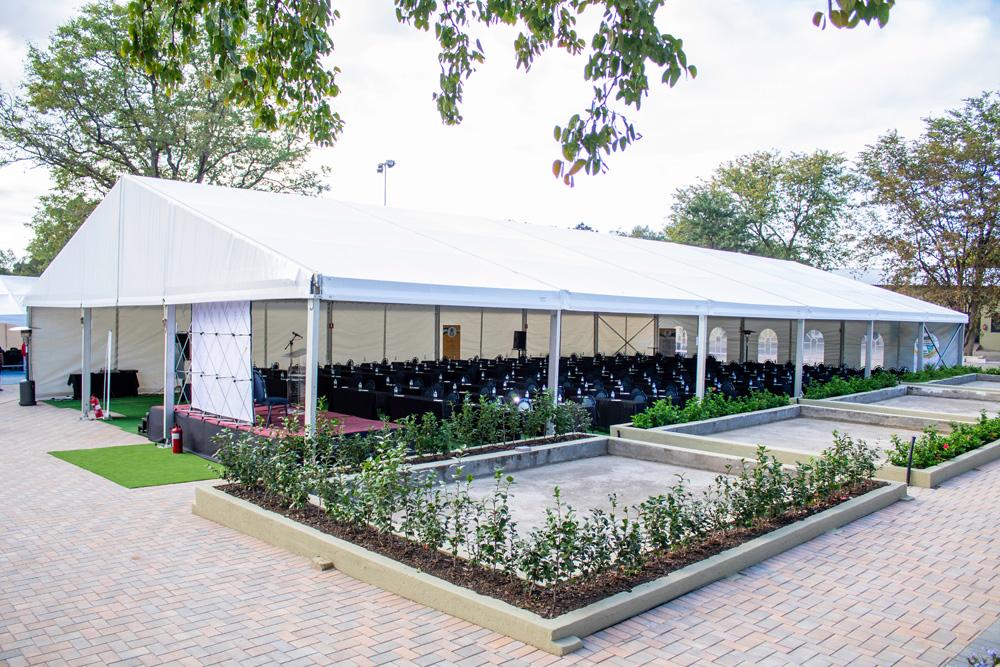
1. Event Tents
Event tents provide covered outdoor spaces for functions where guests, furniture, equipment and activities need protection from sun and rain.
They can be installed for:
- Corporate functions
- Weddings
- Private parties
- Product launches
- Graduation ceremonies
- Church functions
- Community gatherings
- Outdoor celebrations
- Company parties
Event tents can be customized according to the size of the venue and number of guests.
2. Wedding Tents
Wedding tents are designed to create attractive and functional spaces for wedding ceremonies and receptions.
They can accommodate:
- Dining tables
- Guest seating
- Dance floors
- Stages
- Catering areas
- Wedding décor
- Entertainment equipment
- Photography areas
Sidewalls, flooring, lighting, draping and decorative elements can also be incorporated depending on the requirements of the event.
3. Marquee Tents
Marquee tents are among the most commonly used structures for large outdoor events. They provide spacious enclosed areas while allowing flexible interior arrangements.
They are suitable for:
- Weddings
- Corporate events
- Conferences
- Exhibitions
- Fundraising events
- Private functions
- Institutional ceremonies
Marquees can be installed in different dimensions depending on the available space and required capacity.
4. Party Tents
Party tents provide temporary covered areas for social and recreational gatherings.
They can be used for:
- Birthday parties
- Anniversaries
- Family gatherings
- Graduation parties
- Baby showers
- Community events
- Outdoor entertainment
Their modular nature allows the covered area to be increased when additional space is required.
5. Corporate Event Tents
Businesses and organizations can use corporate event tents for functions held away from permanent conference or office facilities.
Applications include:
- Corporate meetings
- Staff events
- Product launches
- Brand activations
- Company celebrations
- Networking events
- Outdoor conferences
Corporate tents can be branded with company logos, colours and promotional graphics.
6. Exhibition Tents
Exhibition tents provide temporary spaces for businesses and organizations to display products and services.
They are commonly used for:
- Trade shows
- Agricultural exhibitions
- Business expos
- Product demonstrations
- Roadshows
- Promotional campaigns
- Industry events
Exhibition tents can be configured with partitioning, counters, display walls, lighting and branded surfaces.
7. Promotional and Branded Tents
Promotional tents are designed specifically for marketing and brand visibility.
Businesses can use branded tents at:
- Roadshows
- Shopping centres
- Outdoor promotions
- Sports events
- Trade fairs
- Product launches
- Community activations
Branding can be incorporated into the canopy, walls, valances and other visible surfaces.
Bentech Solutions Tip: When ordering a branded tent, provide high-resolution logos and brand guidelines early so the tent design can be prepared accurately before production or installation.
8. Gazebo Tents
Gazebo tents are compact structures suitable for small outdoor activities and temporary workstations.
Common applications include:
- Outdoor sales points
- Market stalls
- Promotional booths
- Registration areas
- Small gatherings
- Catering points
- Security checkpoints
Gazebos are particularly useful where quick installation and portability are important.
9. High-Peak Tents
High-peak tents feature elevated central sections that create additional interior height and a distinctive appearance.
They are frequently used for:
- Weddings
- Parties
- Corporate events
- VIP functions
- Formal receptions
- Outdoor hospitality
Their elevated design can improve the visual appearance of an event space while providing additional overhead clearance.
10. Clear-Span Tents
Clear-span tents are designed to provide large unobstructed interior spaces.
Unlike some traditional tent designs that use central support poles, clear-span structures can provide greater flexibility for arranging the interior.
They are suitable for:
- Large conferences
- Exhibitions
- Warehousing
- Corporate functions
- Product launches
- Temporary halls
- Industrial applications
The exact structural system should be selected according to the size, location, expected loads and site conditions.
11. Conference Tents
Conference tents provide temporary venues for meetings, seminars, workshops and large gatherings.
They can accommodate:
- Conference seating
- Presentation stages
- Projectors
- Screens
- Sound systems
- Registration desks
- Catering facilities
Conference tents can be configured according to different seating arrangements, including theatre, classroom, banquet and boardroom layouts.
12. Camping Tents
Camping tents provide temporary accommodation and shelter for people spending time outdoors.
They can be installed or supplied for:
- Camping trips
- Outdoor expeditions
- School camps
- Tourism
- Recreational activities
- Adventure events
The appropriate camping tent depends on the number of occupants, expected weather conditions and duration of use.
13. Safari Tents
Safari tents are particularly suitable for tourism and hospitality applications.
They can be used in:
- Safari camps
- Eco-lodges
- Tourist camps
- Glamping facilities
- Nature destinations
- Private outdoor accommodation
Safari tents can incorporate sleeping areas, living spaces, verandas and other hospitality features depending on their design.
14. Glamping Tents
Glamping tents combine outdoor accommodation with features associated with comfortable hospitality facilities.
They can be designed to include:
- Beds
- Furniture
- Lighting
- Electrical outlets
- Flooring
- Private verandas
- Interior partitions
Glamping structures are useful for hospitality businesses seeking distinctive outdoor accommodation options.
15. Accommodation Tents
Accommodation tents provide temporary living or sleeping spaces for projects where permanent buildings are unavailable or impractical.
Potential applications include:
- Construction camps
- Remote work sites
- Mining operations
- Emergency accommodation
- Outdoor camps
- Institutional projects
Depending on the design, accommodation tents can be divided into separate sleeping and living areas.
16. Relief and Emergency Tents
Emergency tents can provide temporary shelter during humanitarian operations, disaster response and other situations where rapid deployment is required.
They can be used for:
- Temporary accommodation
- Relief distribution
- Registration centres
- Temporary offices
- Community gathering spaces
- Emergency operations
Installation requirements vary according to the intended duration, location and environmental conditions.
17. Medical and Field Hospital Tents
Specialized medical tents can be configured to provide temporary healthcare spaces.
Possible applications include:
- Medical camps
- Health outreach programmes
- Temporary treatment areas
- Screening centres
- Emergency response
- Community health events
Depending on the application, medical tent layouts can incorporate reception areas, examination spaces, storage areas and controlled access points.
18. Military-Style and Utility Tents
Utility tents are designed for practical rather than purely decorative purposes.
They can provide temporary spaces for:
- Storage
- Field operations
- Workshops
- Equipment protection
- Temporary offices
- Security operations
- Remote work sites
The required fabric and structural system should be selected according to the environment and expected use.
19. Industrial Tents
Industrial tents provide temporary or semi-permanent covered spaces for commercial and industrial activities.
They can be used for:
- Temporary warehouses
- Workshops
- Equipment storage
- Manufacturing support
- Logistics operations
- Construction projects
- Vehicle storage
Industrial tent installations require careful consideration of dimensions, access points, ventilation, anchoring and site conditions.
20. Warehouse Tents
Warehouse tents provide an alternative to constructing a permanent storage building where additional space is required quickly.
They can be used to store:
- Machinery
- Building materials
- Agricultural products
- Equipment
- Packaging materials
- Vehicles
- General inventory
The size and structural design should be selected according to the type and quantity of materials being stored.
21. Temporary Office Tents
Temporary office tents can provide working spaces for construction projects, outdoor operations and other temporary activities.
They may accommodate:
- Desks
- Computers
- Meeting tables
- Filing cabinets
- Staff workstations
- Communication equipment
Additional requirements such as flooring, lighting, ventilation and electrical connections should be considered during planning.
22. School and Institutional Tents
Schools and institutions may require temporary covered spaces when existing facilities are insufficient.
Tent applications include:
- School functions
- Examination areas
- Graduation ceremonies
- Dining spaces
- Assembly areas
- Temporary classrooms
- Institutional meetings
The tent size should be determined according to the number of users and intended layout.
23. Church and Religious Event Tents
Churches and other religious organizations can use tents for outdoor worship and special events.
Applications include:
- Church services
- Crusades
- Conferences
- Weddings
- Youth gatherings
- Fundraising events
- Community programmes
Large religious gatherings may require multiple connected tents or a large-span structure.
24. Sports Event Tents
Sports organizations and event organizers can use tents to create temporary facilities around sporting venues.
They can provide:
- Registration areas
- VIP lounges
- Changing spaces
- Medical points
- Hospitality areas
- Equipment storage
- Media workspaces
- Spectator shade
The tent layout can be designed around the movement of athletes, staff and spectators.
25. Catering and Kitchen Tents
Catering tents provide protected spaces for food preparation and service during outdoor functions.
They can be used for:
- Weddings
- Corporate events
- Festivals
- Conferences
- Outdoor parties
- Community functions
Kitchen and catering installations should account for ventilation, safe equipment placement, water access, drainage, electrical requirements and fire-safety considerations.
26. VIP and Hospitality Tents
VIP tents are designed to create more private and comfortable spaces within large outdoor events.
They can be configured with:
- Premium flooring
- Furniture
- Lighting
- Decorative draping
- Bar areas
- Lounge seating
- Branding
They are particularly useful for corporate events, sporting activities, product launches and formal functions.
Tent Installation Process
Installing a tent involves more than simply erecting the fabric structure. Proper planning helps ensure that the finished installation is functional and appropriate for the site.
1. Site Assessment
The installation team assesses the available space and identifies factors such as:
- Ground condition
- Available dimensions
- Access routes
- Slopes
- Drainage
- Nearby structures
- Trees and overhead obstructions
- Utility lines
- Expected weather conditions
2. Tent Selection
The appropriate tent type, dimensions and structural configuration are selected according to the intended use.
3. Site Preparation
The installation area may need to be cleared and levelled before the tent is erected.
4. Frame Installation
The structural frame, poles, connectors and supporting components are assembled according to the tent design.
5. Fabric Installation
The tent canopy and sidewalls are positioned and secured to the supporting structure.
6. Anchoring
Appropriate anchoring is essential, particularly for outdoor installations exposed to wind.
7. Interior Configuration
Depending on the project, the tent may be fitted with flooring, lighting, furniture, partitions, stages and other accessories.
8. Final Inspection
The completed structure should be inspected to ensure that the frame, fabric, anchoring, access points and other components are correctly installed.
Factors to Consider When Choosing a Tent
Before ordering or installing a tent, consider the following:
| Factor | Why It Matters |
|---|---|
| Tent size | Determines the available usable space |
| Number of users | Helps establish required capacity |
| Application | Determines the appropriate tent design |
| Fabric | Influences durability and weather resistance |
| Frame material | Affects structural strength and weight |
| Ground conditions | Determines anchoring requirements |
| Weather | Influences waterproofing and wind considerations |
| Installation location | Determines access and setup requirements |
| Duration of use | Helps determine temporary or longer-term structures |
| Branding | Important for promotional and corporate applications |
| Flooring | Improves comfort and protects users from ground conditions |
| Ventilation | Important for occupant comfort |
| Lighting and power | Required for evening and equipment-based events |
Tent Accessories That May Be Installed
A tent installation can be combined with additional components depending on the intended application.
These may include:
- Sidewalls
- Flooring
- Doors
- Windows
- Lighting
- Electrical connections
- Stages
- Chairs
- Tables
- Draping
- Partitions
- Ramps
- Registration counters
- Branding
- Air-conditioning or ventilation systems
- Storage areas
Not every accessory is appropriate for every tent, so the requirements should be established during the planning stage.
Benefits of Professional Tent Installation
Professional installation provides several practical advantages.
Proper Assembly
Experienced installers understand how different components fit together and can assemble the structure correctly.
Appropriate Anchoring
Correct anchoring helps maintain stability and should be selected according to the tent design and ground conditions.
Better Space Utilization
Professional planning can help determine the most appropriate tent dimensions and internal configuration.
Faster Installation
An experienced team can organize the installation process efficiently, particularly for large event structures.
Customized Solutions
Professional tent installers can adapt the design to different sites, layouts and applications.
Bentech Solutions Tent Installation Services
Bentech Solutions provides tent-related solutions for customers requiring temporary and outdoor covered spaces. Its tent installation work can support different applications, from events and promotional activities to institutional, commercial and specialized outdoor requirements.
When planning a tent project, customers should provide details such as:
- Required tent type
- Tent dimensions
- Installation location
- Expected number of users
- Intended purpose
- Required installation date
- Flooring requirements
- Branding requirements
- Sidewall requirements
- Lighting and electrical needs
- Duration of use
This information helps the installation team determine an appropriate tent configuration.
Bentech Solutions Advice: Do not select a tent based on size and appearance alone. Consider the intended use, ground conditions, weather exposure, number of occupants, anchoring requirements and accessories before confirming the final design.
Frequently Asked Questions
What types of tents does Bentech Solutions install?
Bentech Solutions can provide tent installation solutions for different applications, including event, wedding, corporate, exhibition, promotional, camping, hospitality, institutional, industrial and temporary accommodation requirements.
Can tents be customized?
Yes. Tent installations can be customized according to dimensions, layout, branding, sidewalls, entrances and other project requirements, subject to the selected tent design.
Can large tents be installed for corporate events?
Large event and corporate tents can be configured to accommodate seating, stages, exhibition areas, registration desks, catering facilities and other event requirements.
Are tents suitable for long-term use?
Some tent structures are designed for longer-term or semi-permanent applications. The appropriate material, frame, anchoring system and maintenance requirements should be selected according to the expected duration and environmental conditions.
Do tents require professional installation?
Large and structurally complex tents should be installed by appropriately trained personnel. Correct assembly and anchoring are particularly important for structures exposed to wind and other weather conditions.
Can tents be branded?
Yes. Promotional and corporate tents can incorporate company logos, colours, messages and other branding elements depending on the tent material and design.
Tents provide versatile solutions for creating temporary, outdoor and semi-permanent covered spaces. From wedding tents, event marquees and promotional gazebos to clear-span structures, camping tents, accommodation tents and industrial shelters, different designs are available for different requirements.
Bentech Solutions can support customers looking for tent installation solutions by considering the intended use, site conditions, required capacity, structural requirements and accessories before installation.
Whether the requirement is for a corporate event, wedding, exhibition, outdoor promotion, institutional function, construction site, hospitality facility or temporary workspace, selecting the correct tent type is an important part of achieving a safe and functional installation.
For a tent installation project, provide the required location, dimensions, purpose, expected capacity and preferred installation date so that the appropriate tent solution can be planned.